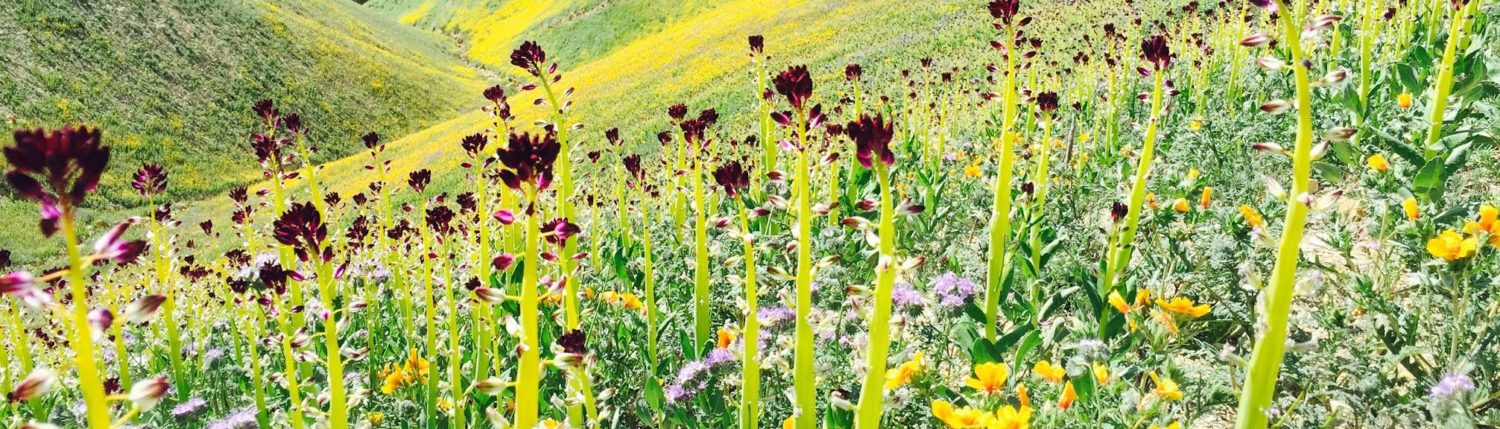
We create California native plant restoration gardens that support wildlife.
WE BELIEVE that each California native garden serves as an island for biodiversity - a landing place for birds, bees, and butterflies. Link enough of these islands and a corridor that supports pollinators throughout the urban landscape is created.
How do we do this?
- Create California native plant and Resilient Demonstration Gardens all over California
- Design private and public landscapes
- Provide open days, tours, and workdays
- Help developers, municipalities, urban planners, and beyond understand the impact these gardens can have on life (biodiversity)
- We educate, empowering everyone to create their own habitat garden with workshops and partnerships
Next:
- Map the square footage of our landscapes
- Create a public map of habitat gardens to visit in Sonoma and Marin Counties
- Observe who is coming to these landscapes using iNaturalist and other tools
Join us!
Find our most recent Newsletter: Urban Habitats and Non-Functional Turf HERE.
Executive Director Update - October 2, 2026
I've been doing some research on the new laws requiring HOAs and public spaces to remove non-functional turf by 2029. We want those spaces to thrive with California native plants! More about that below.
The Habitat Corridor Project also has an exciting pilot program we're leading in partnership with the Milo Baker Chapter of CNPS and the Santa Rosa Junior College. If you have a public space and some volunteers to plant and maintain it, we're giving away native plants grown by students. This creates workforce development, expanding skill sets so we get more native plants in production, AND it gets more plants in the ground, supporting biodiversity and delighting us all!
Fill out the project form linked below and we'll get in touch to learn about your project. Right now this is a Sonoma County–only program. We have about 10 slots for 200–1,000 square foot projects, with plants ready between October 15 and November 15. Questions or thoughts? april@habitatcorridorproject.org
Urban Habitats Pilot Program Application Link
Grateful for California's flora and fauna!
April
Co-founder and ED, the Habitat Corridor Project
april@habitatcorridorproject.org
What Does Turf Offer in Terms of Biodiversity and Habitat?
Answer: nothing.
Turf is an East Coast landscape aesthetic — think summer rain — that was brought west by folks moving west as subdivisions went up in California during 1950s and '60s. It's remarkable how long this high-maintenance, out-of-season style has held on. Anyone who has tended a lawn knows how much water, fertilizer, and effort it takes to produce that lush, perfectly uniform green lawn that matches your neighbor's. I just don't think that's what many of us want anymore.
We are Californians — bold westerners, individuals. Why not express that through our gardens? When I tell people how to find my house in the neighborhood, I say, "Look for the house full of wildflowers and wildness."
So where do we start? Re-wilding is having a moment on the East Coast right now. Let's not wait for that trend to slowly make its way to California — we should be leading it. A native landscape can even work within HOA communities managed by professional landscaping crews, but it takes intention. Here's what that looks like in practice:
And speaking of HOAs — AB 1572 — is already phasing out non-functional turf in 2027 for all of you! Non-functional is that narrow strip of lawn the irrigation head oversprays into the street, that the landscaping crew mows weekly at significant cost to property owners. Let's start re-wilding those strips now with drought-tolerant, habitat-friendly California native plants. It's an achievable, beautiful place to begin.
AB1572 Timeline
California's turf ban is real — and the first deadline is just five months away.
 January 1, 2027 — State and local government properties
January 1, 2028 — Commercial, industrial, and institutional properties
January 1, 2029 — HOA common areas
Note: This law does not apply to individual residential properties — but that doesn't mean homeowners are left out of the opportunity.
The Habitat Corridor Project is actively developing services for exactly these kinds of spaces. It takes time to move these types of projects forward. We love working with HOA garden clubs and communities, helping them discover how stunning a native landscape can be — and how meaningful it is to create a neighborhood thriving with birds, pollinators, and butterflies. We're also well practiced at fielding the tough questions: too messy, looks dead, what happened to the lawn? We've heard them all, and we have good answers.
Reach out if you need some support or have thoughts.
Events Coming Up:
Join Us: Coming soon!
april@habitatcorridorproject.org for more information! Let me know if you are coming!
Our Story
April Owens and Nancy Bauer came together with a common passion for creating habitat in the urban landscape. Nancy, author of The California Wildlife Habitat Garden: How to Attract Bees, Butterflies, Birds, and Other Animals (UC Press), and April, a landscape design/build professional, bring our combined experience to create a growing urban landscape of habitat gardens.
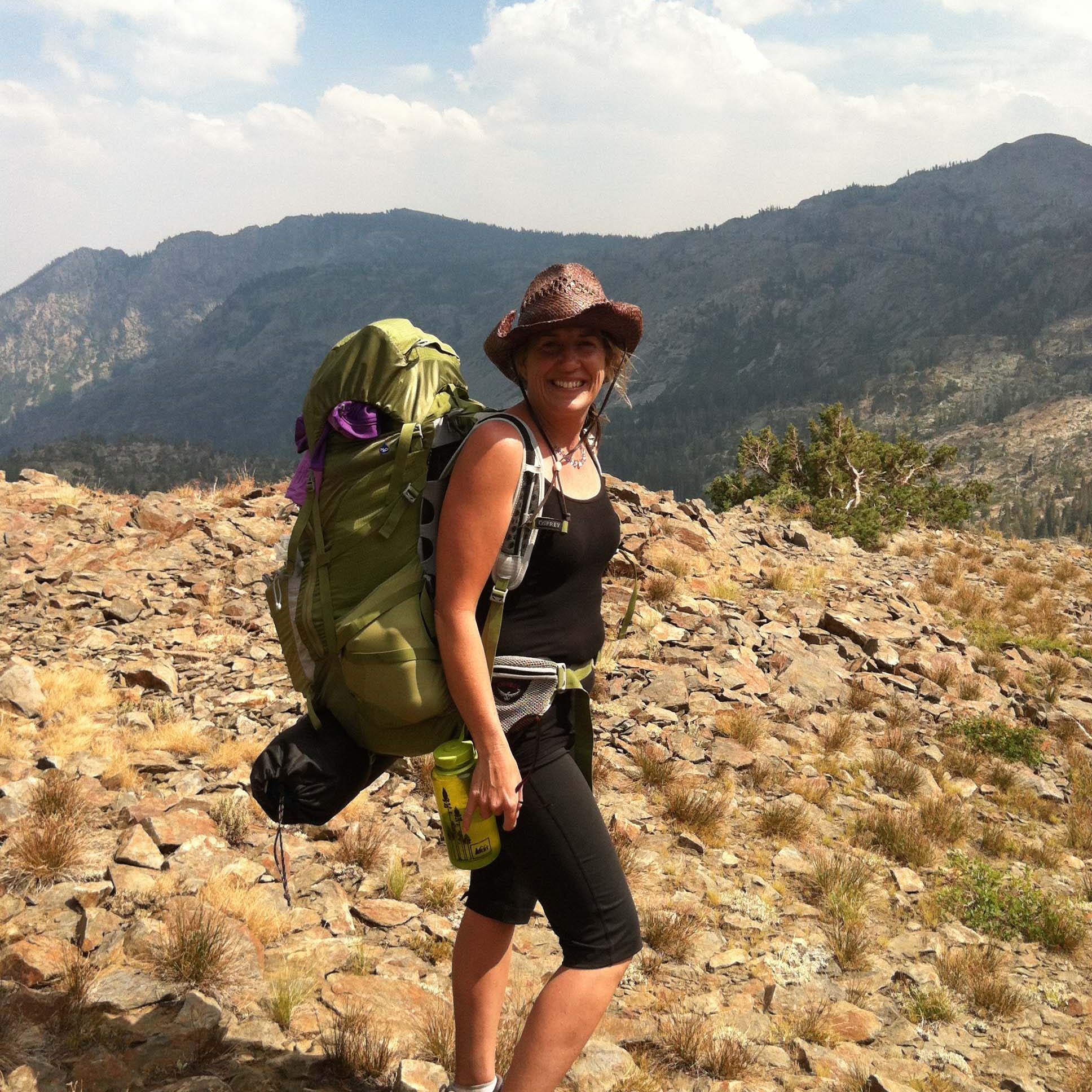
April Owens
Executive Director and Co-Founder
April collaborates with a wide range of partners to create new corridor sites. She also oversees public landscape design services, serves as fundraiser and grant writer, gives talks, workshops, and more.
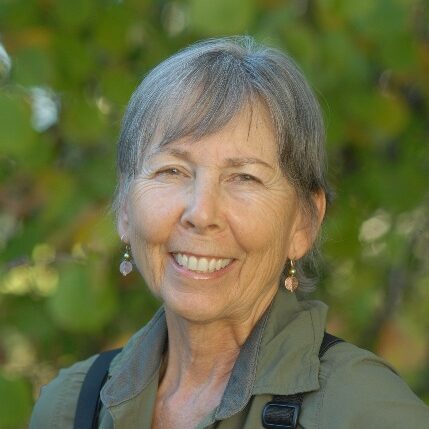
Nancy Bauer
Co-Founder
Nancy oversees habitat integrity for all of our demonstration gardens and creates wonderful content for our website and newsletter.
The Habitat Corridor is a nonprofit organization under section 501(c)(3) of the IRS tax code. Federal EIN #84-4353404